The Brown Law Firm can help you through the claims process if you’ve been injured in a snowmachine accident in Anchorage. Living here is special for a lot of different reasons, but the most obvious is the weather. Snowy season means there’s a lot of snowmachines out and about, and while most people are careful, accidents can frequently happen. When it happens to you, we’ll be there to support you. Set up a free consultation today to learn more.
Does It Make Sense to Get a Lawyer?
When you think about snowmachines and what they’re designed to do, injuries aren’t necessarily the first thing you think about. As long as the rider is careful, the machine is in good working condition, and everyone else on the trail is doing what they’re supposed to, it’s a lot of fun.
Unfortunately, that changes when accidents and injuries creep in. At that point, you’re facing some pretty big questions and changes. That’s why it makes sense to talk to our lawyers to get a better lay of the land. We can:
- Explain your legal options and what kind of financial support might be available.
- Help you gather the right information and evidence.
- Handle talks with insurance companies and other parties involved.
- Look into who might be responsible and what options you have if insurance doesn’t cover everything.
Just like other recreational vehicles, snowmachines can be dangerous when safety gets overlooked, maintenance gets pushed off, or riders aren’t paying attention to their surroundings. But that doesn’t mean your injuries are just part of riding. Our team can make sure you understand what you can do about it and help you through the process. But everything starts with an accident, and at that point, getting information becomes important.
Information That Can Help You After a Snowmachine Accident
If you’re like most riders, you don’t head out expecting to question whether your snowmachine is safe, whether the trail is in good condition, or whether someone else is going to put you in danger. You trust that your machine is ready and that other people are going to ride responsibly. That’s the baseline, but unfortunately, that doesn’t always happen.
And around Anchorage, conditions can change pretty quickly. A trail that seemed perfectly manageable earlier in the day can become harder to navigate when visibility drops, snow conditions change, or temperatures start shifting.
At that point, it’s about slowing things down as best you can. The very first thing you should do is:
- Call 911 if anyone is injured and get medical help.
Everything else flows from this step. It makes sure you get the medical attention you need and gets the accident reported. Then, as long as you’re able to do so safely and have gotten the help you need, it’s a good chance to get a few basics that can help later. That usually means:
- Pictures or videos of the snowmachines, the trail or riding area, any obstacles or unsafe conditions, damage to the machines, and visible injuries.
- Names and contact information for anyone who saw what happened, including other riders or people nearby.
- The location of the accident, including nearby trail markers, roads, landmarks, or GPS coordinates.
As long as you have these things in one form or another, you have some of the basic building blocks of a claim. Of course, snowmachine accidents can be serious enough that you might not be able to do anything except wait for help or get medical treatment. Don’t panic if you can’t take pictures or figure out who saw what happened. We can help fill in those gaps.
More importantly, as things settle down over the next few days and weeks, other information is going to start coming in. Things like:
- The police or accident report explaining what happened.
- Information about the snowmachines involved, including ownership, maintenance, and any mechanical problems.
- Pictures showing damage to the machines or problems with the trail or riding area.
- GPS information, location data, or other records showing where the accident happened.
- Surveillance, helmet camera, or other video footage of the accident.
- Medical records and bills showing the treatment you’ve received.
- Work restrictions or other instructions from your doctor.
- Pay stubs or other records showing the income you’ve lost.
- Emails, notes from calls, or messages with the other rider or insurance company.
- Notes about how your injuries and recovery are going.
Even though you might think your injuries speak for themselves, that’s not necessarily how an insurance company will look at it. Information can protect you, but the specific details of what actually happened also matter.
How Do Snowmachine Accidents Happen in Anchorage?
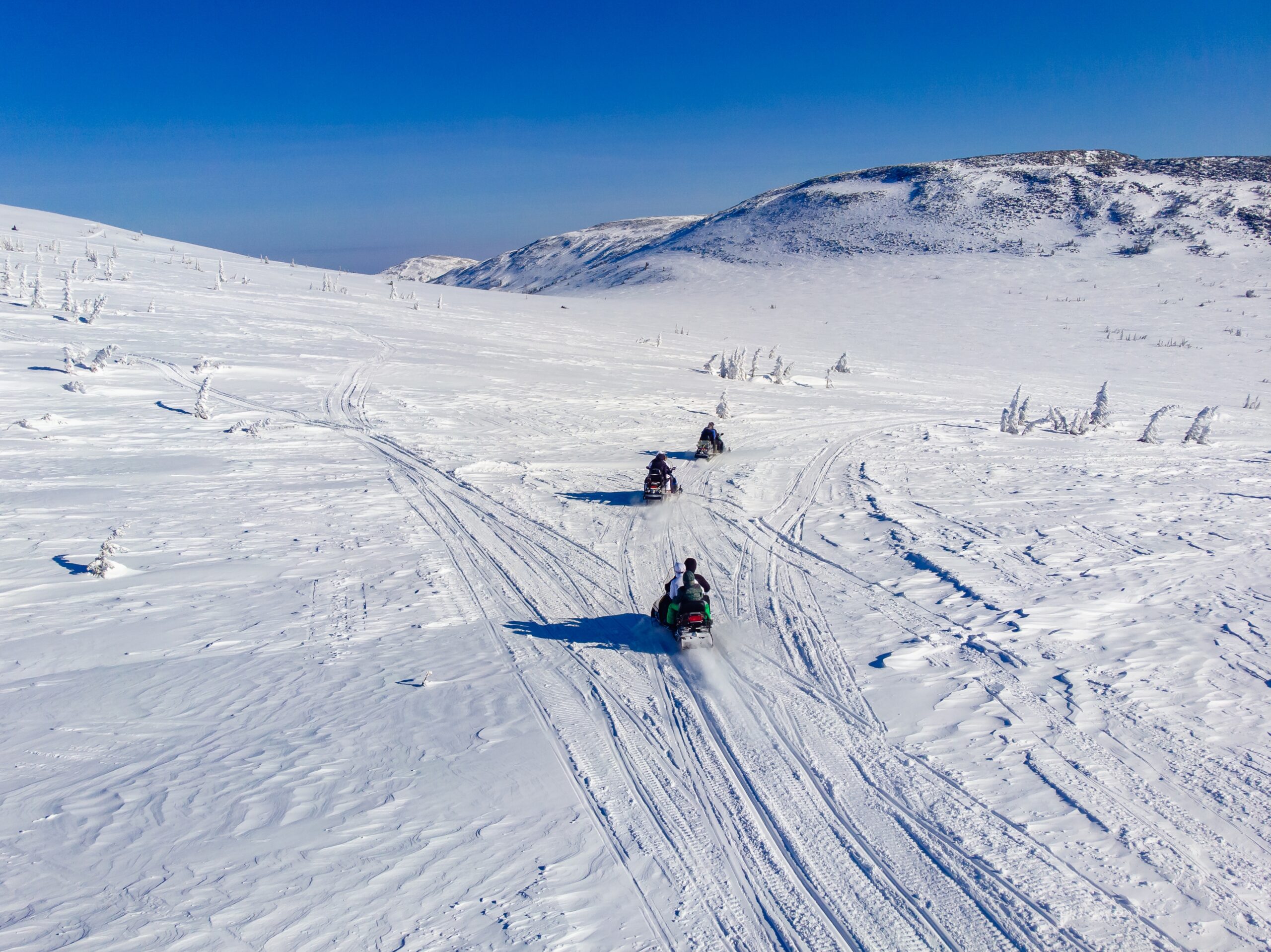
If you’ve spent much time riding around Anchorage, you probably already know that no two riding areas are exactly alike. Riding around Eklutna Lake isn’t the same as heading through Peters Creek or taking on some of the mountain terrain around Powerline Pass. And depending on where you are, the snow, visibility, and terrain can change pretty quickly.
That’s part of what makes snowmachine riding fun, but it’s also where things can go wrong. Sometimes it’s another rider making a bad decision. Other times, it’s something you couldn’t see coming. Some of the more common causes of accidents include:
- Collisions with other snowmachines or riders
- Hidden obstacles
- Avalanche conditions
- Going too fast
- Ice and frozen waterways
- Weather and visibility
- Mechanical problems
- Inexperienced or reckless riders
There’s another thing to keep in mind around Anchorage, too. Just because an area has plenty of snow and looks like a good place to ride doesn’t mean snowmachines are allowed there. Chugach State Park has designated riding areas, boundaries, and seasonal restrictions. That matters both for your safety and when figuring out what happened after an accident. But the main takeaway is you can do everything right and still end up getting hurt because of what someone else did—or didn’t do.
Legal Responsibility With Snowmachine Accidents
This is probably the most basic question you have after your snowmachine accident, and while it’s important, it can also get fairly complicated. Legally, it all comes down to negligence–and that means showing that:
- Someone did something—or failed to do something—that caused the accident and your injuries.
That’s pretty broad, especially with all the different ways accidents can happen out there. But once you know what negligence is, it really narrows things down in terms of who might be responsible. Usually, it includes:
- Other snowmachine riders
- The person that owned the snowmachine (if they weren’t the person operating it)
- Property owners that didn’t fix (or warn you about) dangerous conditions on their land
- Government agencies that ignored upkeep for certain trails or public riding areas
- Companies that made or sold defective snowmachines or parts
Keep in mind that there’s also comparative negligence. That means if you were riding recklessly, not paying attention, or ignored warnings about potential hazards, your eventual damages could be reduced by that same percentage of fault. But it doesn’t totally take away your right to file a claim.
How Do I Get Financial Support After My Snowmachine Accident?
Even though it feels different, a snowmachine accident works the same way in terms of getting financial support for your injuries. In other words, you can either file:
- An insurance claim outside of court
- A personal injury lawsuit
No matter which path you take, our team will walk you through every step. Keep in mind that Alaska generally has a two-year statute of limitations for personal injury cases–you have two years from the date of the accident to file a lawsuit.
At the heart of either process is the goal of recovering “damages” to cover what you’ve lost because of the accident. That includes things like:
- Current and future medical expenses
- Current lost income or loss of future earnings
- Repair/replacement costs for your snowmachine or damaged gear
- Pain and suffering
- Emotional distress
- Reduced quality of life
- Wrongful death expenses if the accident is fatal
Obviously, these damages are going to be specific to your accident. But no matter what you decide to do, our team will be there to help you through it.
Frequently Asked Questions
How do I know if someone was at fault?
Just because you got hurt doesn’t automatically mean someone else is to blame. It comes down to whether another rider, property owner, or other party acted negligently and caused the accident.
Can I file a claim if I was riding in Chugach State Park?
Potentially, yes. Riding in a designated area doesn’t mean you give up your legal rights. What matters is what caused the accident and whether someone else’s negligence played a role.
What should I do after a snowmachine accident?
First, get medical attention. If you’re able, take pictures of the scene, the snowmachines, and your injuries. Get contact information from witnesses and keep your medical records and paperwork.
Snowmachine Accident Victims in Anchorage Can Turn to The Brown Law Firm For Help
A serious snowmachine accident can turn a fun day around Eklutna Lake, Eagle River, or the Chugach Mountains into doctor visits, missed paychecks, and a long recovery.
At The Brown Law Firm, our Anchorage snowmachine accident lawyers can walk you through your options and help you figure out what comes next. Reach out today for a free consultation.