


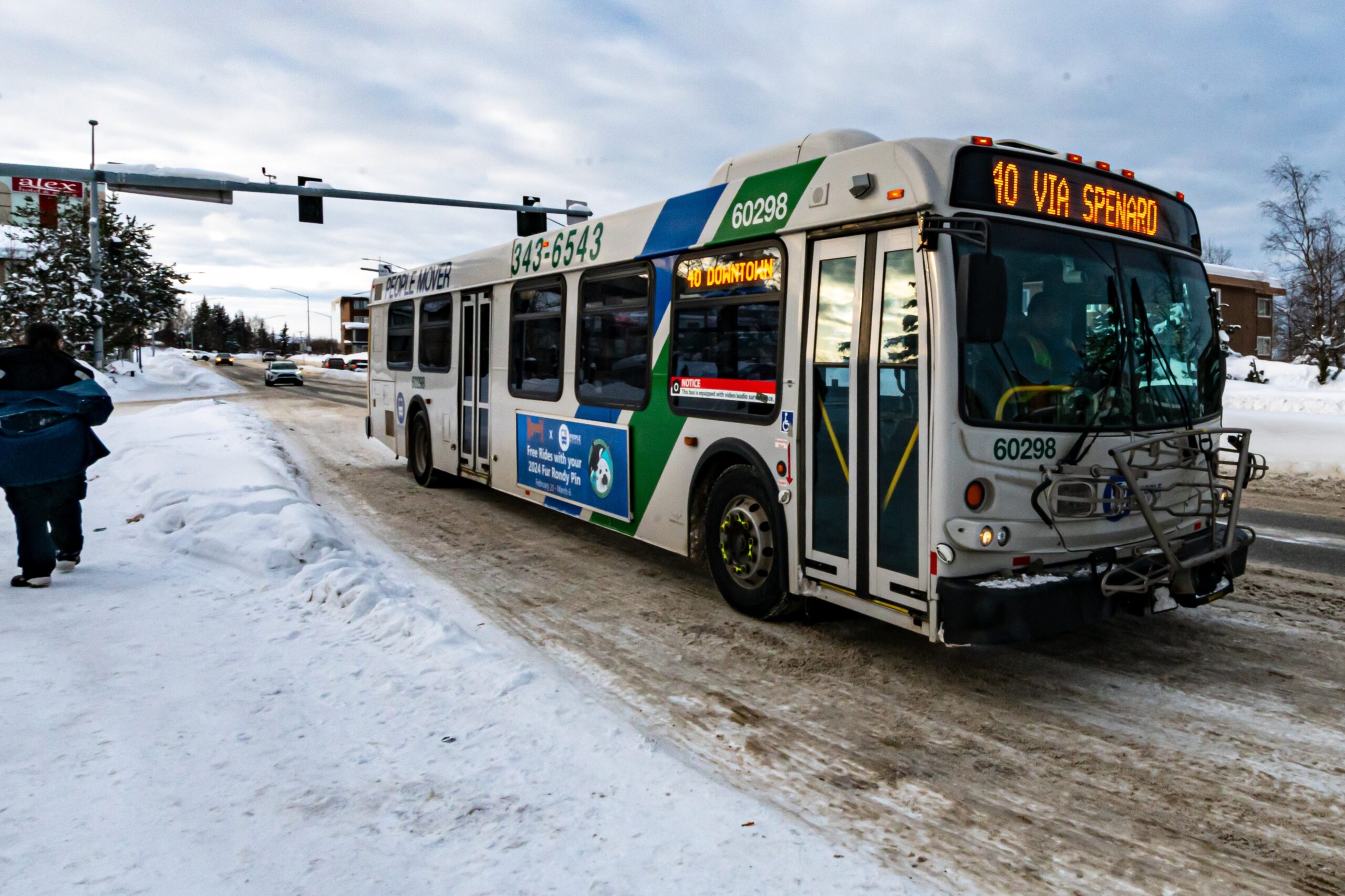
The Brown Law Firm will guide you through the claims process when you’re injured in a bus accident in Anchorage. Every day, you see city buses operated by People Mover, but you’ll also see school buses, tour buses, shuttles, and other larger passenger vehicles. But when an accident happens, it brings up a lot of questions. We can help you answer them. Set up a free consultation today.
Does a Lawyer Make Sense After a Bus Accident?
Bus accidents can get complicated pretty quickly. Not only are you dealing with injuries and all the normal things that come with a car accident, but there’s additional questions about the city government’s responsibility and how you can move forward.
And when you’re trying to recover at the same time, it can be a lot to handle on your own. That’s when a lawyer starts to make more sense, and our team can step in to help you:
- Figure out what caused the accident and who might be responsible
- Explain your rights and legal options
- Handle the back-and-forth with People Mover, private bus companies, or insurance carriers
- Build a claim that shows the full impact of your injuries
Just because you see People Mover buses around Anchorage every day doesn’t mean it’s easy to deal with an accident involving one. A lot of the time, it brings up even more questions than normal. Our team can take all that on for you so you have the space to focus on your recovery. That starts with getting good information.
Information That Can Help After a Bus Accident
The first thing to remember after a bus accident is that you don’t need to figure everything out at the scene. In fact, your main focus should be on your health and safety. So, like any other vehicle accident, you should:
- Call 911 to report what happened. That should bring an ambulance and police to the scene, but while you wait, it’s a good chance to get a few basic things like:
- Pictures/videos of everything, including your vehicle’s damage, the bus, its identification number, license plates, visible injuries, and overall road conditions.
- The bus driver’s name and any identifying information on the bus itself.
- Names and phone numbers of anybody who saw the accident before they leave the scene.
That’s about as much information as the scene will give you, but again, it’s worth repeating that you should focus on getting checked out by EMTs, answering questions from police, and going from there. Then, once you’re away from the scene and things settle down over the next few days and weeks, other information is going to start coming in, like:
- Medical records and bills
- The police report
- People Mover paperwork, including the bus number, route, and any incident reports
- Bus camera footage, GPS records, or other video showing how the accident happened
- Repair estimates, rental car receipts, or other records showing damage to your vehicle
- Pay stubs or other records showing the work and income you’ve missed
- Notes about how you’re feeling, what hurts, and what your injuries are keeping you from doing
- Emails, letters, or notes from calls with the bus company or insurance adjusters
You might not have all of this right away, and that’s okay. Some of it takes time to come in, and other information may be in the hands of People Mover or the insurance company. Start with what you have, and our team can help track down the rest.
Why Bus Accidents Happen in Anchorage
There’s nothing about Anchorage that automatically makes bus accidents more likely. But when you think about how often buses travel through the area and the conditions they have to deal with, it becomes a bit easier to see why accidents happen.
People Mover buses travel throughout Anchorage and Eagle River, making frequent stops and sharing the road with regular traffic. And during the winter, snow, ice, and limited visibility can make an already difficult job even harder. Usually, accidents happen because of:
- Snow and icy roads. Winter driving around Anchorage can be unpredictable. Snow-covered streets and icy intersections can make it harder for buses to stop, turn, or avoid other vehicles.
- Busy intersections and bus stops. Areas along Northern Lights Boulevard, 5th Avenue, and C Street can get crowded, especially when buses are pulling in and out of traffic.
- Fatigued drivers. Fatigue can slow a bus driver’s reaction time and make it harder to respond to traffic, pedestrians, or sudden changes on the road.
- Using a phone, talking to passengers, adjusting controls, or simply not paying attention can cause a driver to miss something important.
- Unsafe turns and lane changes. Buses need more room to maneuver than regular vehicles. Turning too quickly, changing lanes without checking, or misjudging another vehicle’s position can cause an accident.
- Poor bus maintenance. Problems with brakes, tires, steering, doors, or other equipment can lead to an accident if they aren’t properly inspected and maintained.
- Unsafe roads. Potholes, poor drainage, construction, and road conditions that aren’t properly addressed can make it harder for a bus driver to operate safely.
- Other drivers. Sometimes the bus driver isn’t the one who caused the accident. Another driver may cut off a bus, run a red light, make an unsafe turn, or otherwise create a dangerous situation.
Again, there are a lot of different ways that bus accidents happen around Anchorage. But it hits differently when you’re the one involved. That means looking at the details and answering one big question: who’s responsible?
Who’s Legally Responsible For a Bus Accident in Anchorage?
One of the hardest parts of a bus accident isn’t just dealing with your injuries. It’s figuring out who’s actually responsible for what happened. Like other drivers, bus drivers have the same responsibility as anyone else behind the wheel.
The big difference, though, is that they’re usually driving for an employer. And because they’re on the clock, there’s something called “vicarious liability.”
Basically, if a bus driver’s negligence causes an accident while they’re working, their employer may also be legally responsible. For example, if a People Mover driver causes an accident while operating a bus on their assigned route, the Municipality of Anchorage may be responsible. Of course, there are other instances of negligence too, and that can bring in others like:
- Companies that made defective bus parts or failed to keep up with maintenance.
- The Municipality of Anchorage or other government agencies responsible for certain road conditions, construction, or maintenance. This can change the timeline of the claims process.
- Private bus companies or rental companies responsible for their drivers and vehicles.
- Other drivers who caused the accident by cutting off a bus, running a red light, or otherwise driving recklessly.
Obviously, every bus accident is different. And because of that, legal responsibility can shift depending on the exact details. But more than that, who’s actually responsible can change the way the claims process works.
How the Claims Process Works With a Bus Accident
While legal responsibility is a big part of the injury claims process after a bus accident, the best way to look at your overall options is by separating claims involving a city bus from those involving a private company or person:
- Claims against People Mover. Since People Mover buses are operated by the Municipality of Anchorage, the claims process is a bit different. You have to go through the city’s Risk Management Department and file:
- A Notice of Claim within 120 days of the accident.
- The city then has to respond to the form within 10 days.
- Claims against a private bus company or person. The process generally works as it would with other kinds of car accidents, where you can either file:
- An insurance claim outside of court
- A personal injury lawsuit
With either option, the goal is the same. You’re seeking financial support based on your damages. They can include things like:
- Current and future medical expenses
- Current lost income or a loss of future earnings
- Repair or replacement costs for your vehicle or other damaged property
- Pain and suffering
- Emotional distress
- Reduced quality of life
In the most serious cases, surviving family members may also have the right to file a wrongful death claim. The key is starting early and gathering as much information as possible. But no matter what, our team will be with you from the start to help you understand your options.
Talk to The Brown Law Firm’s Anchorage Bus Accident Lawyers Today
When you’re injured in a bus accident in Anchorage, you might not know where to turn. You’re trying to recover, you may be missing work, and you may have an insurance company or government agency asking you questions you don’t know how to answer.
At The Brown Law Firm, we can help you figure out what happened, who may be responsible, and what your legal options are. We’ll explain the process and guide you through it from start to finish. Set up a free consultation today.